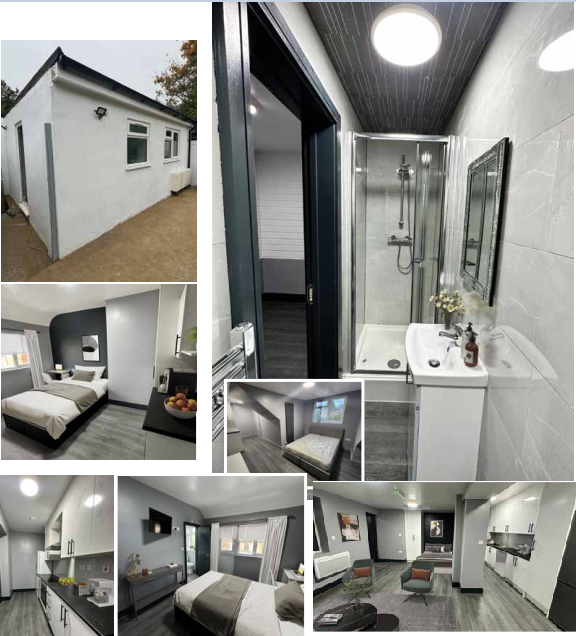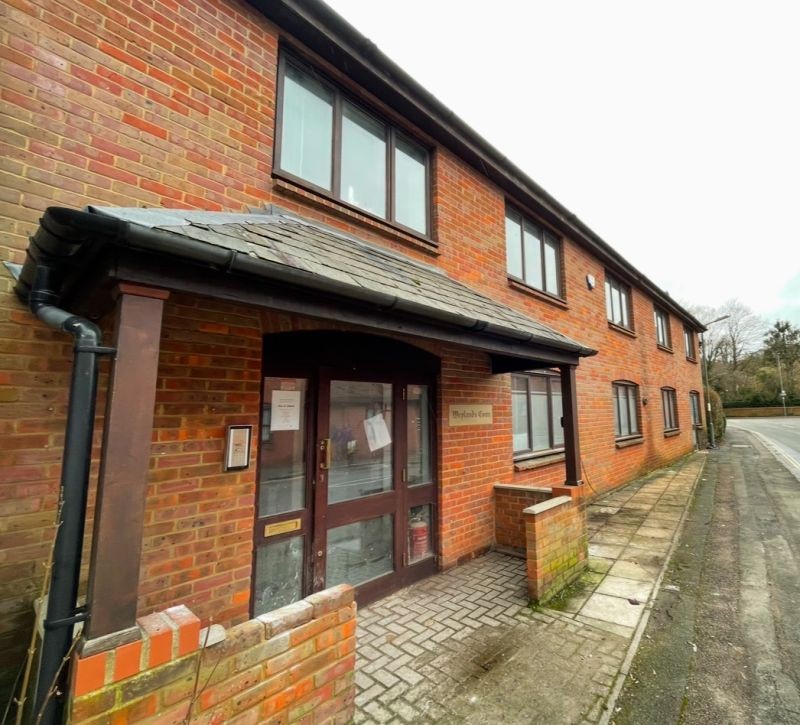
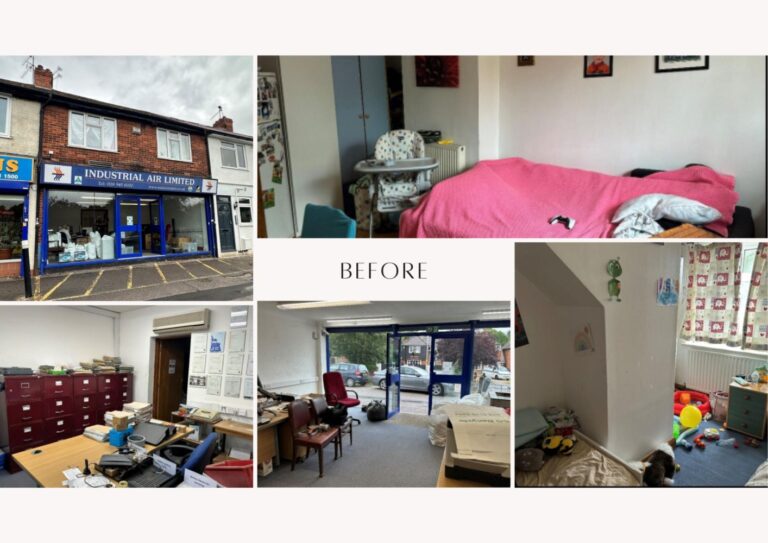
At Assetswise, we believe in a holistic approach to property development and high street revitalisation. Our recent mixed-use development project on the high street stands as a testament to this philosophy, demonstrating how a strategic approach helped us not only unlock significant value and secure crucial finance, but also deliver much-needed quality housing, ultimately breathing new life into our local high street.
In the wake of the pandemic, commercial-to-residential conversions have taken centre stage in the UK property scene — and rightly so. With high street retail in decline and the housing crisis intensifying, converting redundant commercial units into homes is not just a smart move — it’s a necessary one.
But there’s a right way to do it. And a wrong way.
Poorly executed conversions are hitting the headlines for becoming ‘uninhabitable’. My approach as a Chartered Quantity Surveyor and developer has always been to deliver quality, compliance, and profitability in equal measure.
Here’s a behind-the-scenes look at how I led a successful hybrid development — converting a disused retail unit into a mixed-use scheme with a retained shop, two apartments, and a fully compliant HMO under permitted development rights.
Off-Market Deal Sourcing and Due Diligence
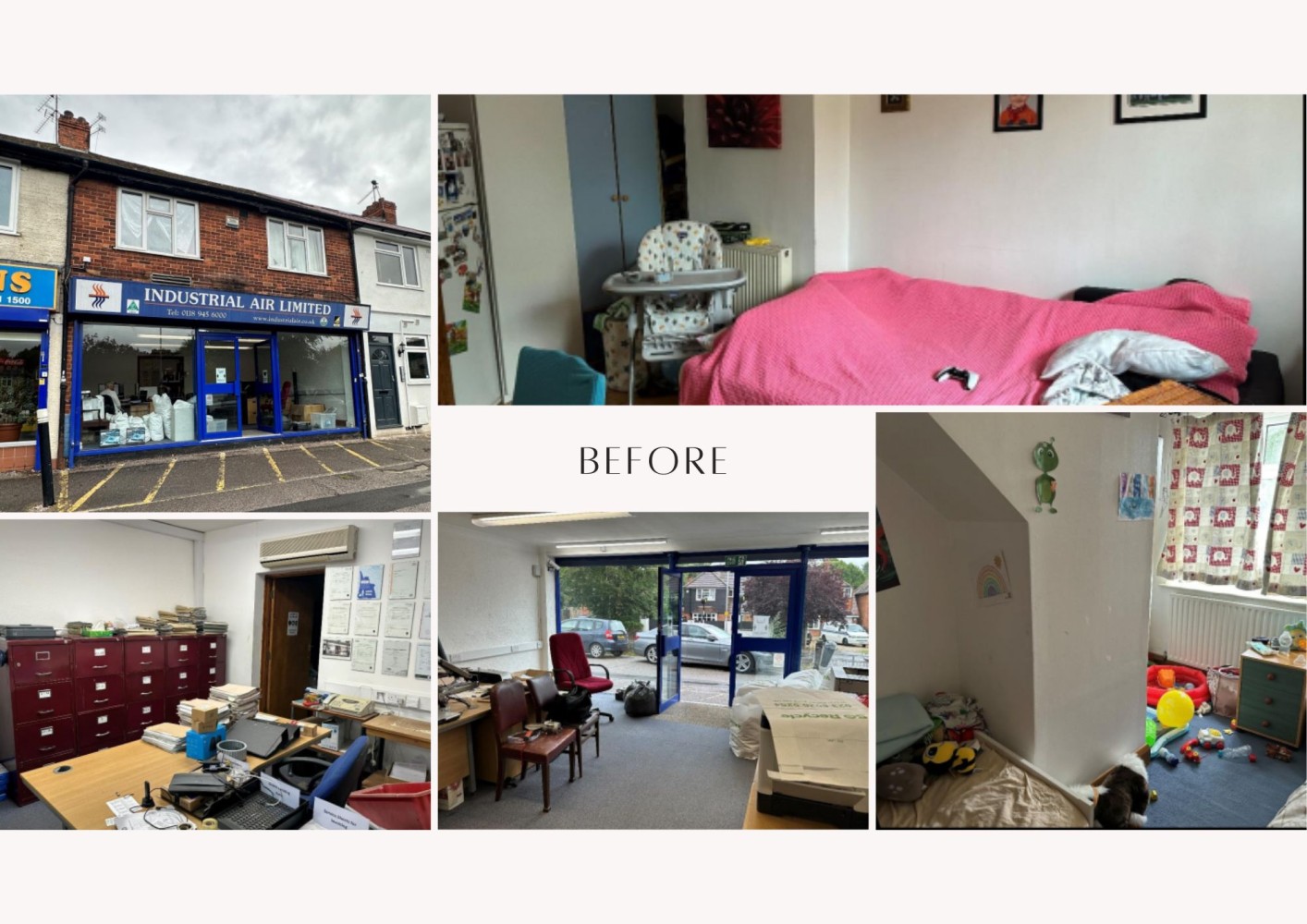
The site in question was a tired retail premises in Reading. The owner was retiring post-pandemic, and having recently completed a similar development next door, I was able to negotiate an off-market deal at £320,000 — the same price we’d paid eight months earlier for the neighbouring site.
A valuation survey confirmed the property was structurally sound, with no issues like RAAC.
“Our specific methodologies for property development and high street revitalisation focus on sustainability and community engagement.“
Bridging Finance and Valuation Strategy
To fund the purchase and £275,000 refurbishment, I secured a 70% gross loan-to-value (LTV) bridging loan. I negotiated a 0.85% monthly rate, with rolled-up interest deducted upfront to ease cashflow during development.
Crucially, the valuation — carried out in accordance with RICS Red Book Global Standards — projected a Gross Development Value (GDV) of £945,000 and a future rental income of £71,800 per annum.
We addressed risks like poor rear access by clearing, paving, and installing floodlights and CCTV — all of which helped solidify lender confidence.
Planning: Leveraging Class MA and C4 Use
We utilised Class MA permitted development rights to:
- Convert the rear of the shop into a flat
- Convert the garage into a second apartment
- Retain a smaller commercial unit at the front
- Transform the existing upper floors (already C3) into a six-bed C4 HMO
Class MA does not allow external alterations, so our architect designed layouts that met internal light and space requirements without new openings.
We also instructed planning consultants to commission required reports — including daylight and noise assessments — to support our prior approval applications.
We ran multiple planning and full applications concurrently to stay on programme, including minor external works for a new HMO entrance and dormer extensions.
Building Control: Getting Compliance Right
This wasn’t just a design-and-build project — it was a highly regulated conversion involving an HMO. We engaged a private Approved Inspector to speed up the Building Regulation 5 compliance process, which included:
- Fire safety and misting system certification
- Emergency lighting for the HMO
- Ventilation and airflow testing
- Energy performance and water efficiency calculations
- Acoustic and air quality assessments
We submitted both an as-designed and as-built compliance report, accounting for material and appliance variations that could affect EPC performance and regulatory thresholds.
Managing Build Complexity and Phasing
Using a JCT Short Form contract, we delivered the build in phases:
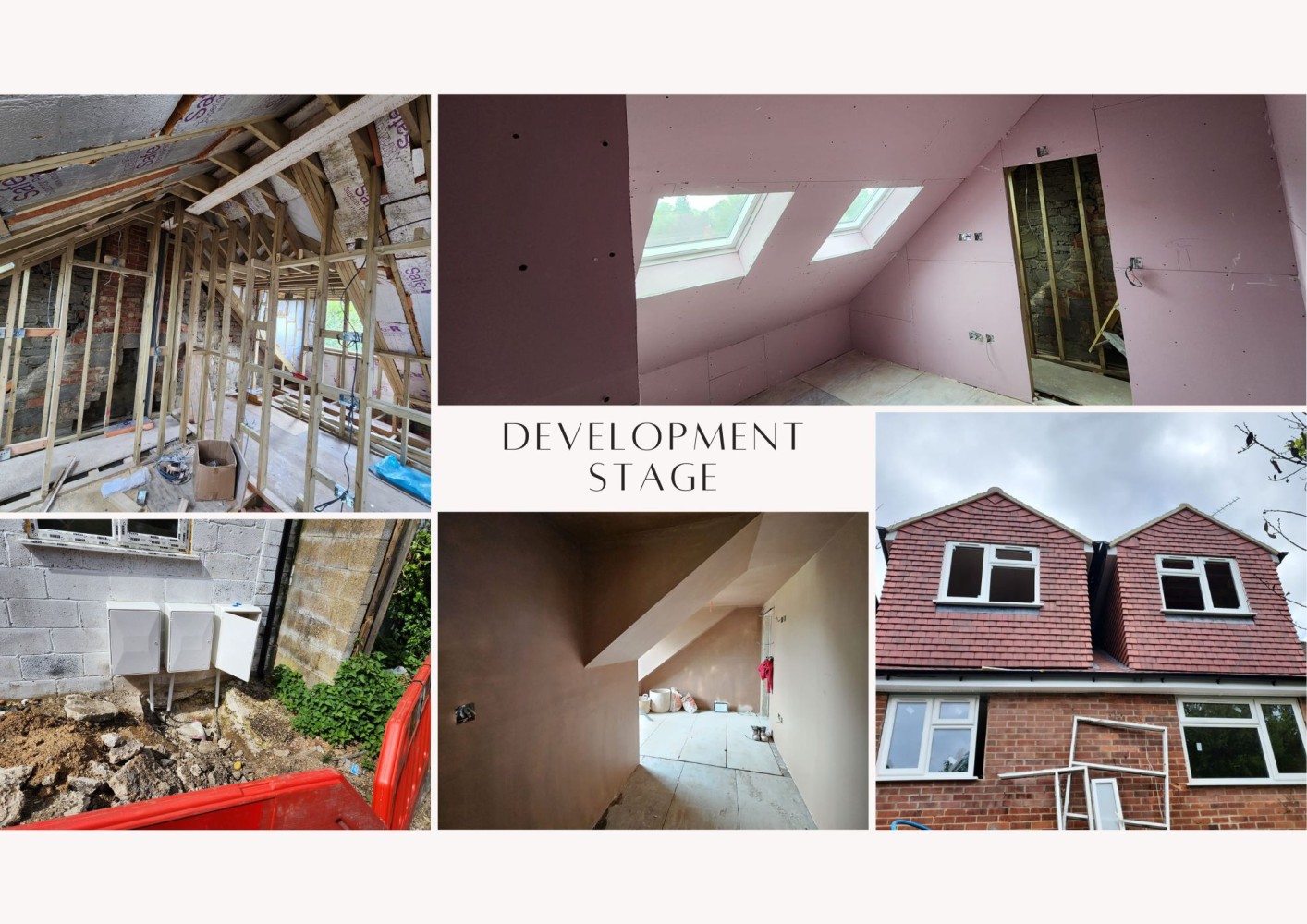
- Structural strip-out and dormer construction
- Flat and HMO internal fit-out (plumbing, electrics, partitioning, kitchens, bathrooms)
- External works and finishing
We encountered challenges with internal space due to cavity wall requirements and HMO-specific height regulations. To meet Reading Borough Council’s minimum 6.51m² per single room (discounting areas under 1.5m in height), we had to drop the joists in one unit — a crucial lesson in early design due diligence.
Exit Strategy and Refinancing
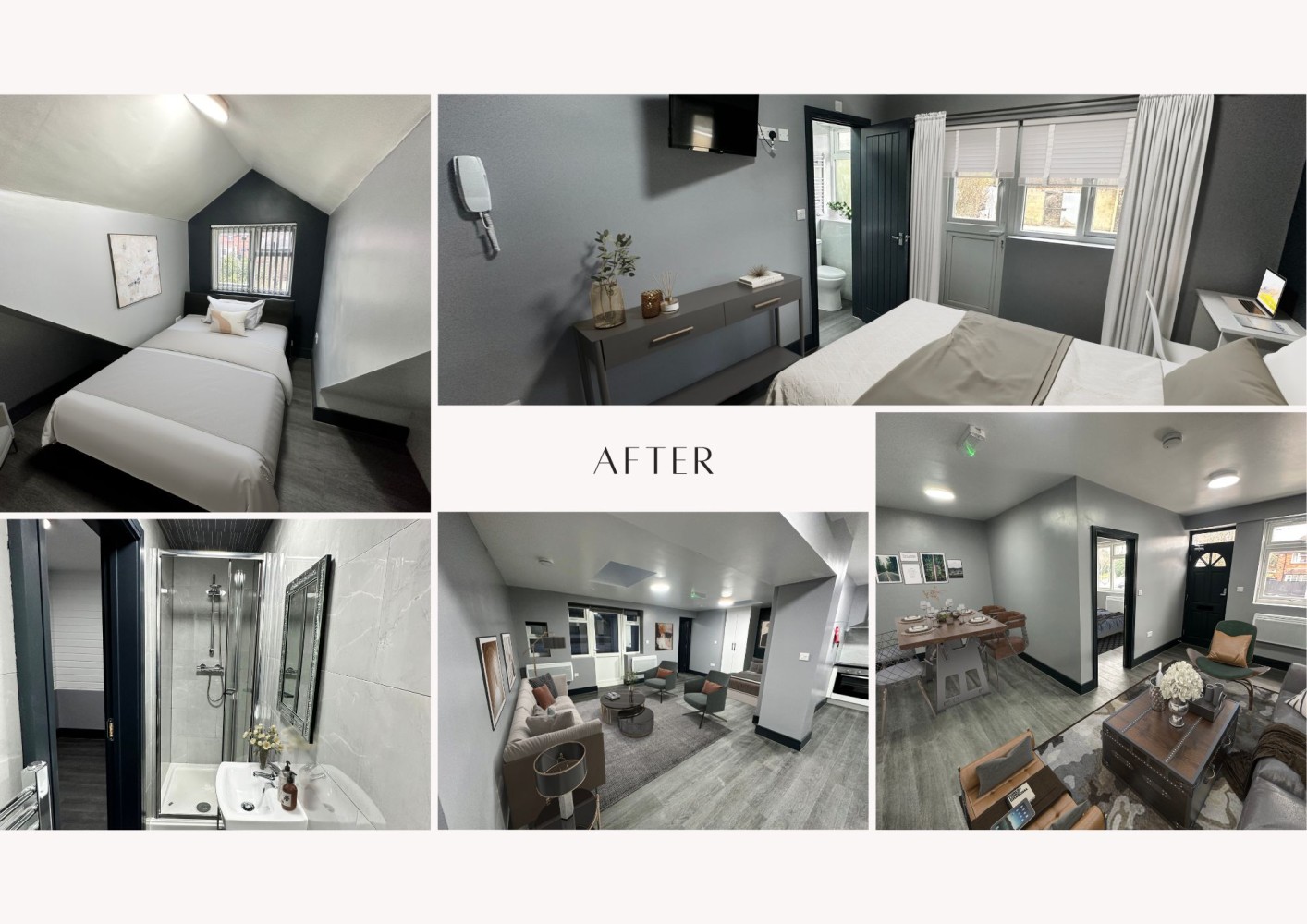
With the scheme nearing completion, I re-engaged my mortgage broker and prepared a robust refinancing pack: updated comparables, revised GDV analysis, and a construction summary.
The new valuation came in at just over £1m. We refinanced at 75% LTV against the GDV, allowing us to recycle our original capital and retain the asset for long-term income.
Key Takeaways for Hybrid Developers
This project reinforced a few vital lessons:
- Run the numbers backwards: Start with the GDV and work back to establish land value.
- Get the right team early: Architect, planning consultant, and compliance advisors are essential at concept stage.
- Design for compliance: Especially for HMOs — account for licensing standards, room sizes, and fire safety from day one.
- Plan your exit: Bridging loans are powerful tools, but only if you have a clear refinance or sales strategy in place.
- Quality = value: Investing in compliance and tenant experience (like rear access upgrades) boosts value and long-term returns.
This approach helped us unlock value, secure finance, deliver quality housing, and revitalise our local high street.
Learn more about how our property development mentoring can guide you through securing finance and delivering quality projects.