
Hello Hybrid Developers,
We’ve all been there, you’ve got a brilliant project, planning (or prior approval) is granted/approved, and then an unexpected cost emerges that can significantly impact your bottom line. Recently, our team encountered just such a moment with the Community Infrastructure Levy (CIL) on an office-to-residential conversion. What started as a potential £11,186 liability – a sum that can be far greater on larger schemes – ended up at a satisfying £0.00. This experience highlighted the critical importance of understanding CIL, especially when converting existing buildings.
You may remember my recent Linkedin post about this scenario, see below…

CIL: More Than Just New Builds
Many developers assume CIL exclusively applies to brand-new construction on land development schemes. While it certainly does, its reach extends to significant changes of use, like converting commercial spaces into residential units. The CIL is a charge levied by local authorities to help fund infrastructure projects (think schools, roads, and parks) that support new development.
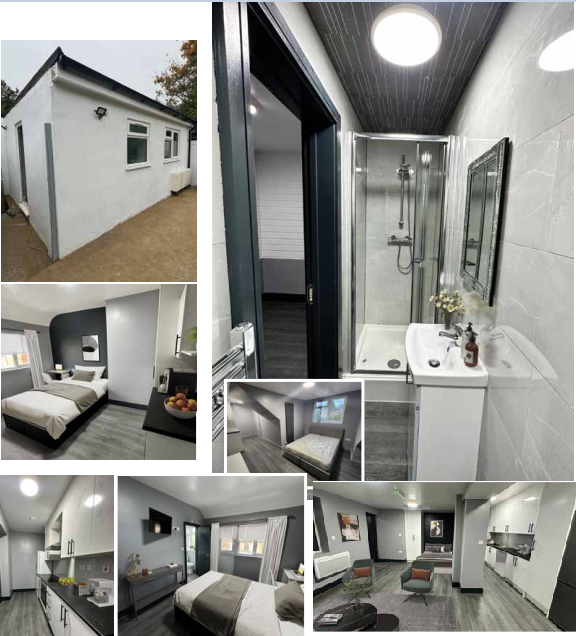
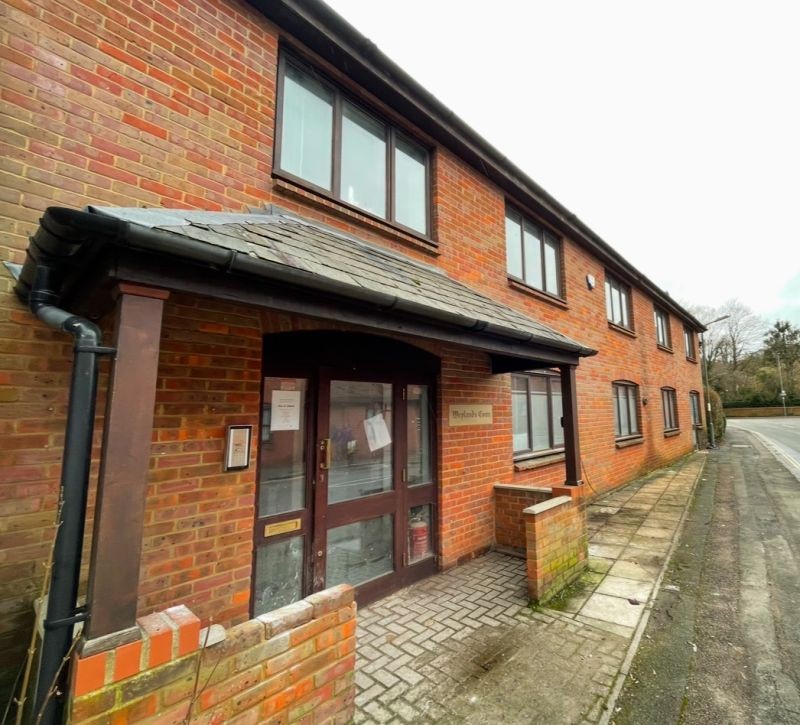
Our project involved transforming a disused office building into two new homes. It felt like a positive contribution to local housing stock. After planning approval, however, we received a CIL Liability Notice. This wasn’t a “bombshell” in the sense of financial ruin, but it was a substantial, unforeseen addition to our budget, prompting an immediate deep dive into the regulations.
Your Secret Weapon: Regulation 40 of The CIL Regulations 2010
Our research quickly led us to Regulation 40 of The Community Infrastructure Levy Regulations 2010 (as amended). This regulation is the cornerstone for understanding how existing buildings can influence your CIL liability.
In simple terms, Regulation 40 allows you to deduct the floor space of an existing building from your CIL calculation, provided that:
- The existing floor space has been in continuous lawful use for at least six months
- This six-month period falls within the three years preceding the day planning permission first permits the chargeable development.
“Lawful use” is key here. It’s not enough for a building to have simply existed. Its use must have either had planning permission, or been established for a period long enough that enforcement action couldn’t be taken against it. Crucially, the use must have been “actively carried on,” meaning there was actual activity within the building, not just a theoretical permission for a particular use. Court cases, such as R(Hourhope Ltd) v Shropshire Council [2015], have reinforced this need for tangible evidence of activity.
For more detail on Regulation 40, you can refer to the UK Government’s CIL Guidance:
Proving Lawful Use: The Evidence You Need
The burden of proof for continuous lawful use lies wholely with the applicant. We meticulously gathered a range of documentation to satisfy this requirement:

- Lease Agreements: These were crucial for confirming periods of occupancy by previous tenants and establishing the lawful use as an office. We simply put in a request for this information with the agent to get from the seller, which wasn’t an issue.
- Utility Bills: Gas and electricity bills, showing consistent consumption over the qualifying six months, provided strong circumstantial evidence of active use. As above we requested this through the agent.
- Business Rates Records: Proof of business rates payments further corroborated continuous commercial activity within the building.
- Photographic Evidence: Dated photos of the office in active use (e.g., with office furniture, equipment) helped visually confirm its “in-use” status. We used the marketing particulars from the agent.
- A Statutory Declaration: This was perhaps the most compelling piece of evidence. A formal sworn statement from the former tenant, attesting to their continuous occupation and the nature of their business activities within the specified timeframe, carried significant legal weight.
Remember, local authorities might request additional evidence, such as redacted bank statements showing rent payments or confirmation from a letting agent. Be proactive and comprehensive in your submission.
Navigating the Planning Portal: Forms 5 & 6
The CIL process involves specific forms, primarily found on the Planning Portal. Understanding when and how to submit these is vital:

- Form 5: Notice of Chargeable Development: Often submitted with your planning application, this form helps the local authority determine if your proposed development is CIL liable. It requires details of both new and existing floor areas. While you don’t submit your detailed Regulation 40 evidence here, providing accurate existing building information sets the stage.
- Form 6: Commencement Notice: This form is absolutely critical and often overlooked. You must submit it to the local authority at least one clear working day before commencing any work on site (including demolition). Failing to do so can lead to significant surcharges (e.g., 20% of the chargeable amount or £2,500) and the loss of any instalment payment options or reliefs you might have. It’s your official notification that work is beginning, triggering the CIL payment timeline.
The Outcome: From Liability to Zero!
After diligently submitting all our evidence and adhering to local authority protocols, we received the revised Liability Notice. The charge: £0.00!

This positive outcome was a direct result of our thorough understanding of Regulation 40 and our meticulous approach to gathering and presenting the required evidence. The time invested upfront saved us a significant sum that would have otherwise eroded our project’s profitability.
Your Takeaways for CIL Success
Our experience offers several key lessons for all developers:
- CIL Applies Beyond New Builds: Always assume CIL liability for projects creating new dwellings, even through conversions. Check your local authority’s CIL Charging Schedule early on.
To find your local authority’s CIL Charging Schedule, search their planning section online.
- Early Research Pays Off: Don’t wait for a Liability Notice. Investigate CIL implications during your initial feasibility studies.
- Master Regulation 40: This is your strongest tool for deductions on existing buildings. Understand its requirements and the types of evidence needed.
- Proactive Due Diligence at Offer Stage: When making an offer on a commercial-to-residential conversion, we now include a condition requiring the seller to provide evidence of the property’s lawful occupation. This ensures we have the necessary documentation well in advance, avoiding surprises and potential resistance once the offer is accepted. Specifically, we request: Lease Agreements Utility Bills (covering the previous 3 years) Business Rates records (covering the previous 3 years) Any existing Statutory Declarations or Certificates of Lawful Use.

- Be Evidence-Ready: The burden of proof is on you. Compile comprehensive documentation.
- Respect Procedural Deadlines: Submit forms like Form 6 on time to avoid surcharges and retain reliefs.
- Consider Professional Guidance: For complex projects, a planning consultant specialising in CIL can be an invaluable asset.
The Community Infrastructure Levy, while complex, doesn’t have to be a financial burden. By being informed, proactive, and meticulous, you can successfully navigate its requirements and ensure your development projects remain financially sound.
Ready to dive deeper into property development, especially commercial-to-residential schemes?
If you’re looking for focused insights on your next development, I offer deal surgeries to help you make informed decisions. Book your session here.
Alternatively, if you’re seeking in-depth, one-to-one mentoring to guide you throughout the entire development process, you can book a call to discuss your needs here.